Use cases
Resources
The Trivy attack caused so much damage because most cloud security teams had no answer to three questions: where are my workloads connecting outbound? Are my identities behaving normally? And if a credential gets stolen, how much damage can it actually do?
Discover how our AI-driven, agentless security engine delivers unmatched visibility, detects behavior anomalies, and disarms threats before they escalate. In just 30 minutes, see how CloudFence helps you take full control of your cloud security.


Earlier this year, the Trivy incident showed that security tooling itself can become part of the software supply chain attack surface.
For those unfamiliar with the tool, Aqua Security's Trivy is a widely-used open-source vulnerability scanner. At the time of the breach, more than 10,000 GitHub workflow files referenced it directly.
On March 19, 2026,, a threat group calling itself TeamPCP pushed a malicious release of Trivy that quietly harvested credentials from affected pipelines that ran the compromised version, then used those credentials to spread further.
To affected teams, nothing looked obviously broken: the scanner still ran, the pipeline continued, and the malicious activity was hidden behind a normal-looking result.
The attackers didn't break in through a forgotten server or a phishing email. They turned a pipeline security dependency into the delivery mechanism.
So how did it happen, and what does it tell us about detecting what comes after a supply chain compromise?
The groundwork for the March 19 attack was laid weeks earlier:
Incomplete containment is a recurring issue in incident response. Partial remediation leaves a door open, and attackers are patient enough to come back through it.
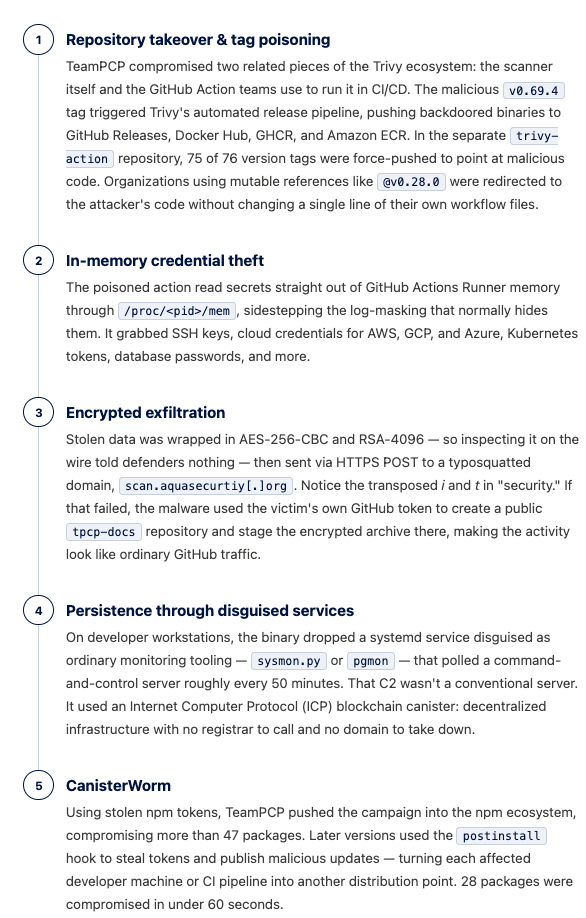
That incomplete containment set the stage for a five-phase campaign
v0.69.4 tag triggered Trivy's automated release pipeline, pushing backdoored binaries to GitHub Releases, Docker Hub, GHCR, and Amazon ECR. trivy-action repository, 75 of 76 version tags were force-pushed to point at malicious code. @v0.28.0 were redirected to the attacker's code without changing a single line of their own workflow files.sysmon.py or pgmon — that polled a command-and-control server roughly every 50 minutes. postinstall hook to steal tokens and publish malicious updates — turning each affected developer machine or CI pipeline into another distribution point. 28 packages were compromised in under 60 seconds.
In a conventional breach, defenders ask: how did the attacker get in? The Trivy attack flips this : the entry was via a trusted tool. The more important question becomes: where did the stolen data go, and how did the attacker maintain access after the initial compromise?
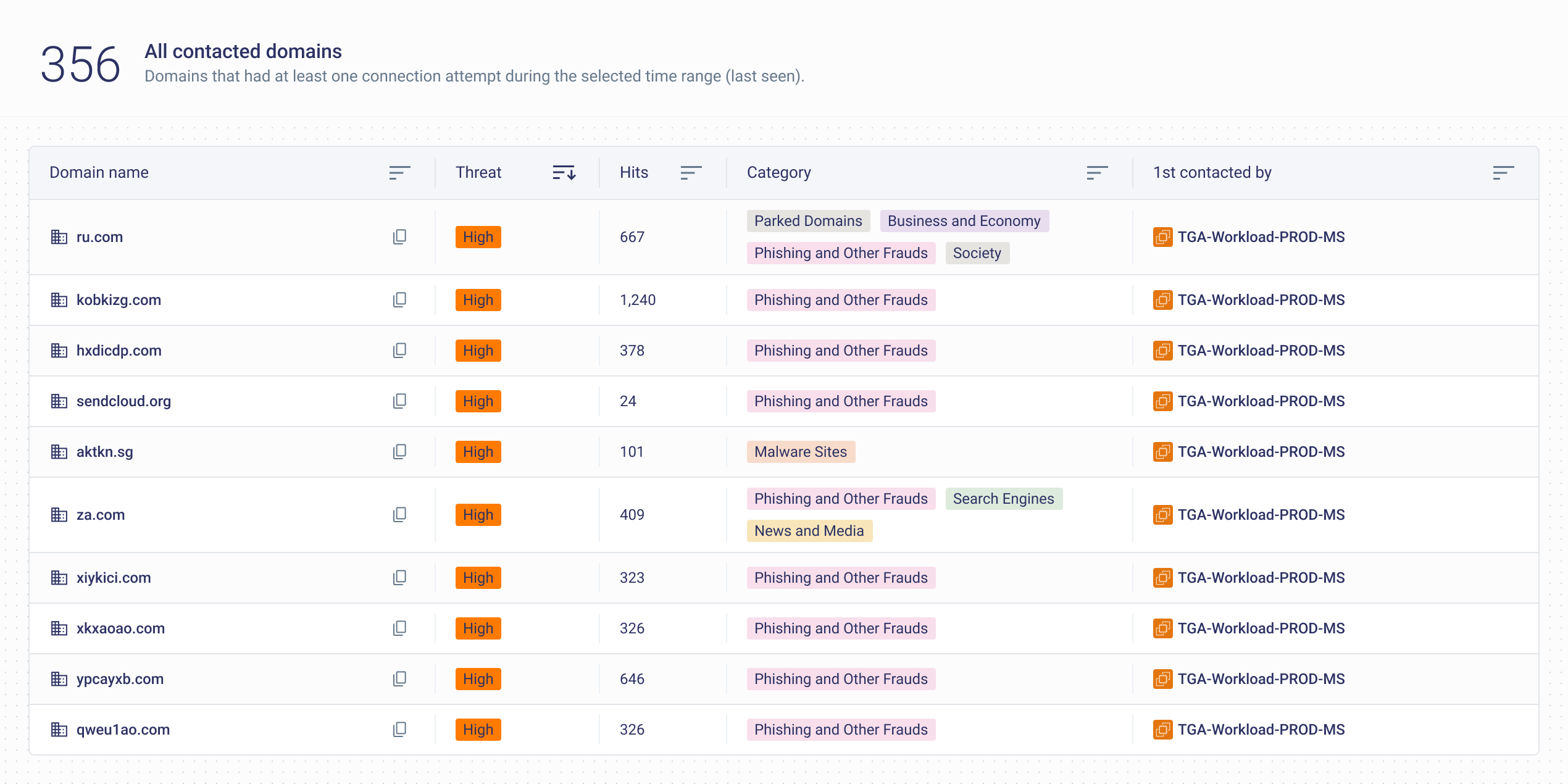
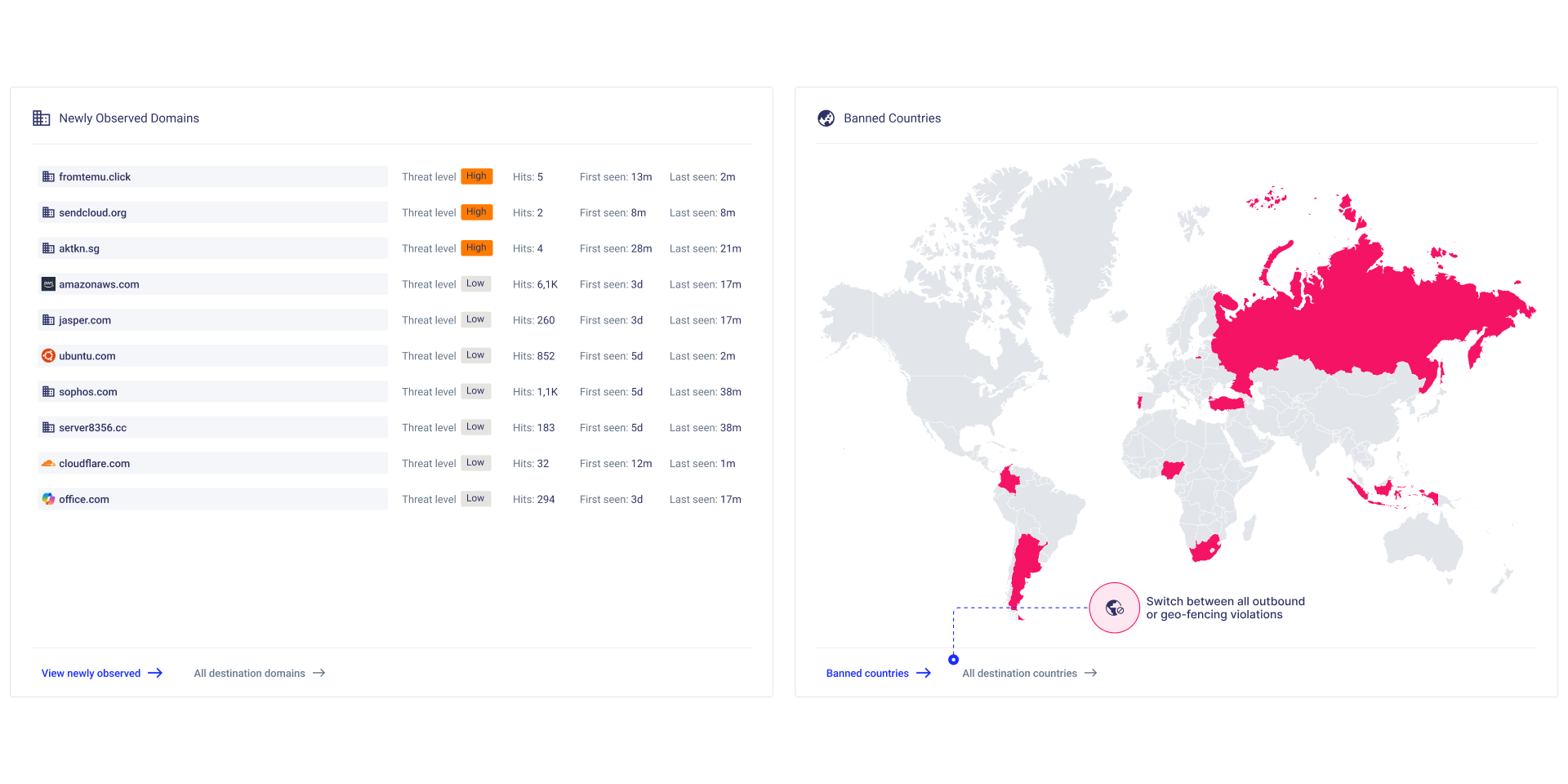
Both answers lived in the network layer:
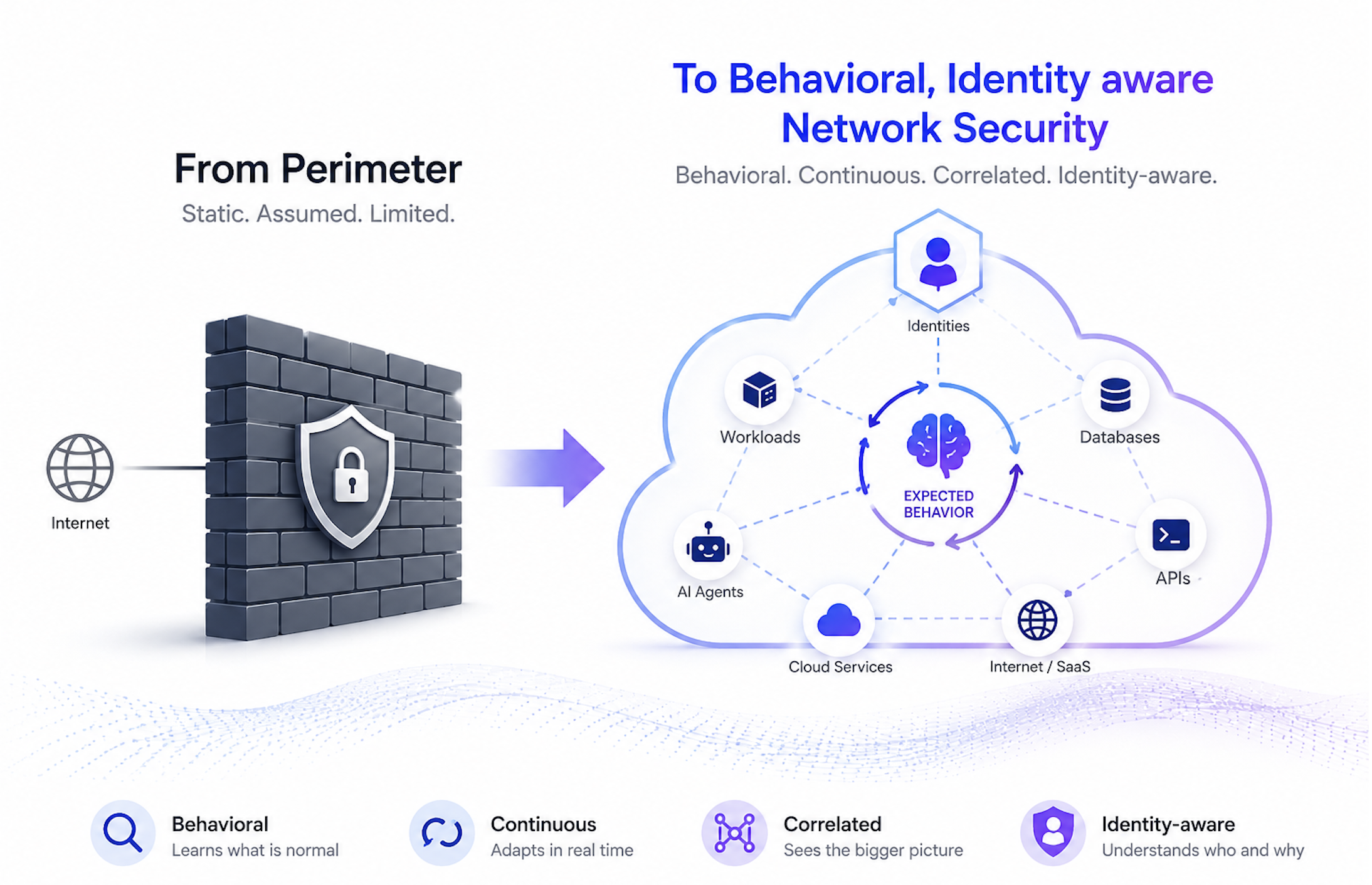
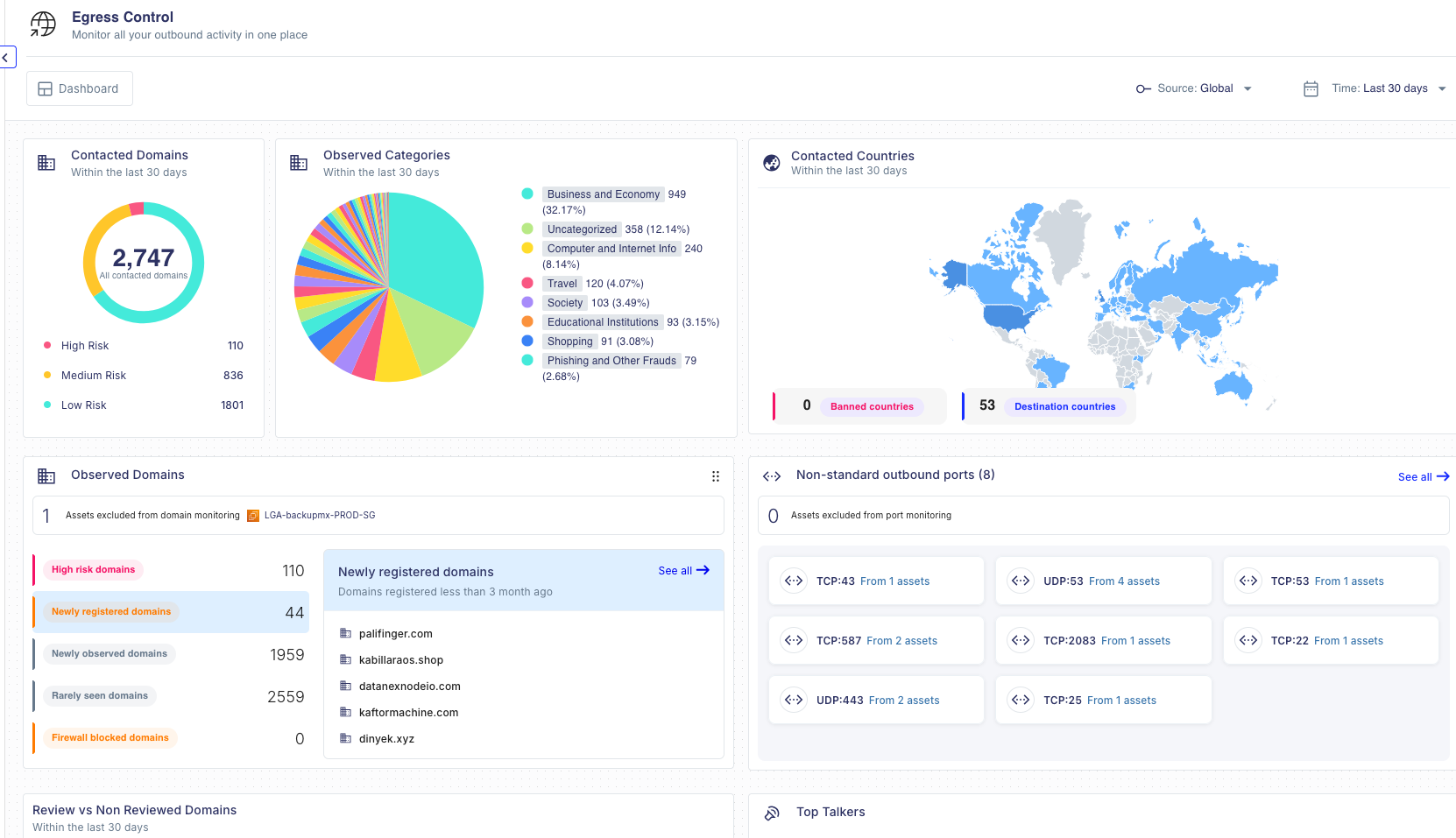
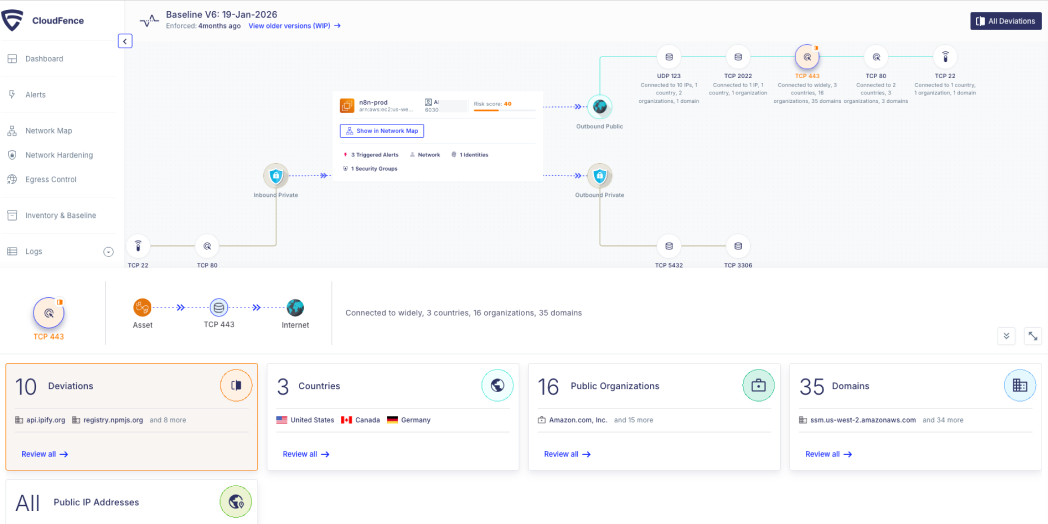
Egress control isn't about blocking all outbound traffic. It's about knowing what normal looks like for every workload and surfacing the first deviation.
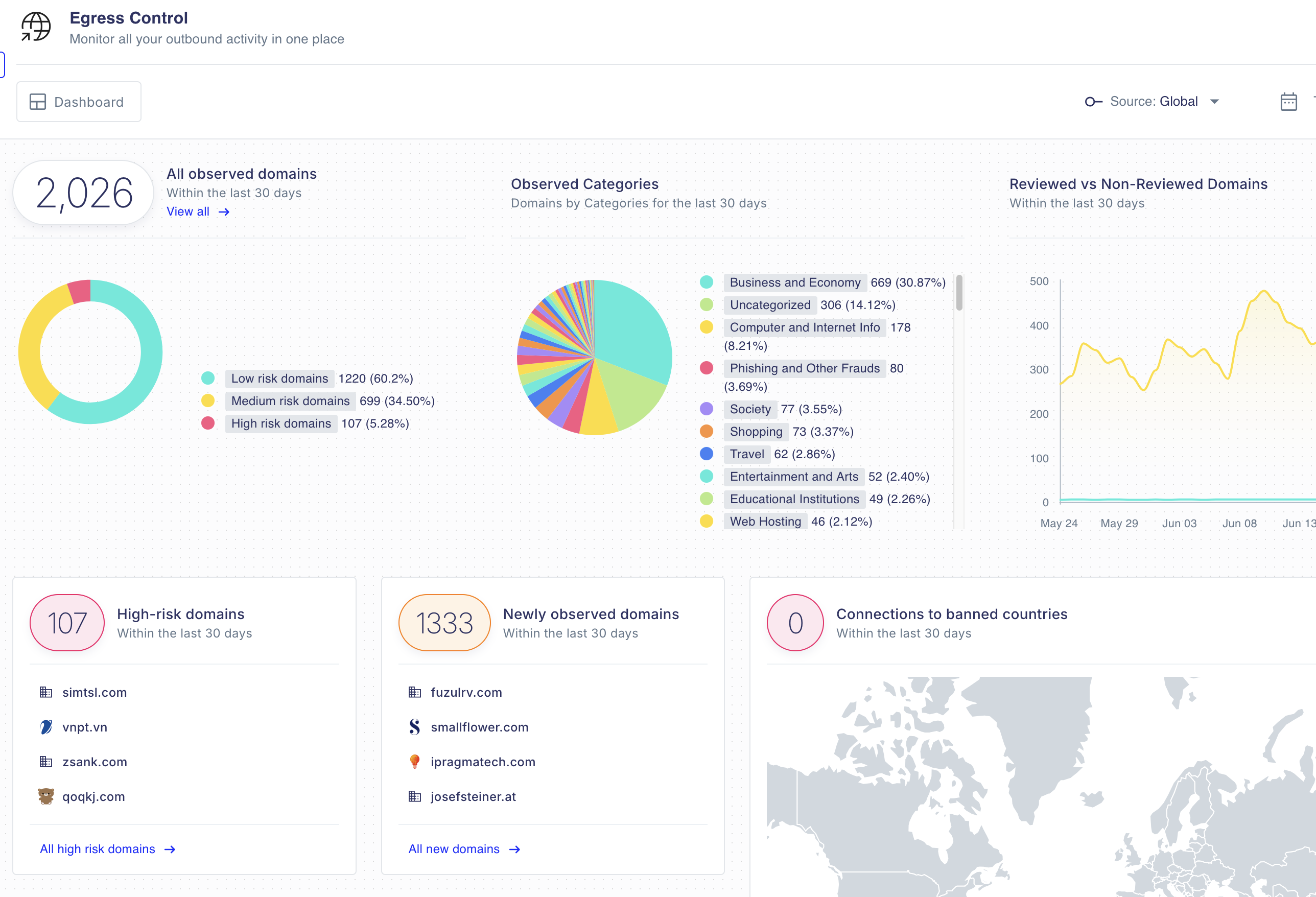
The most durable lesson from Trivy isn't about patching or key rotation - it's about the class of detection that would have surfaced this attack regardless of which tool was compromised.
That class has two layers, and both were visible in this attack.
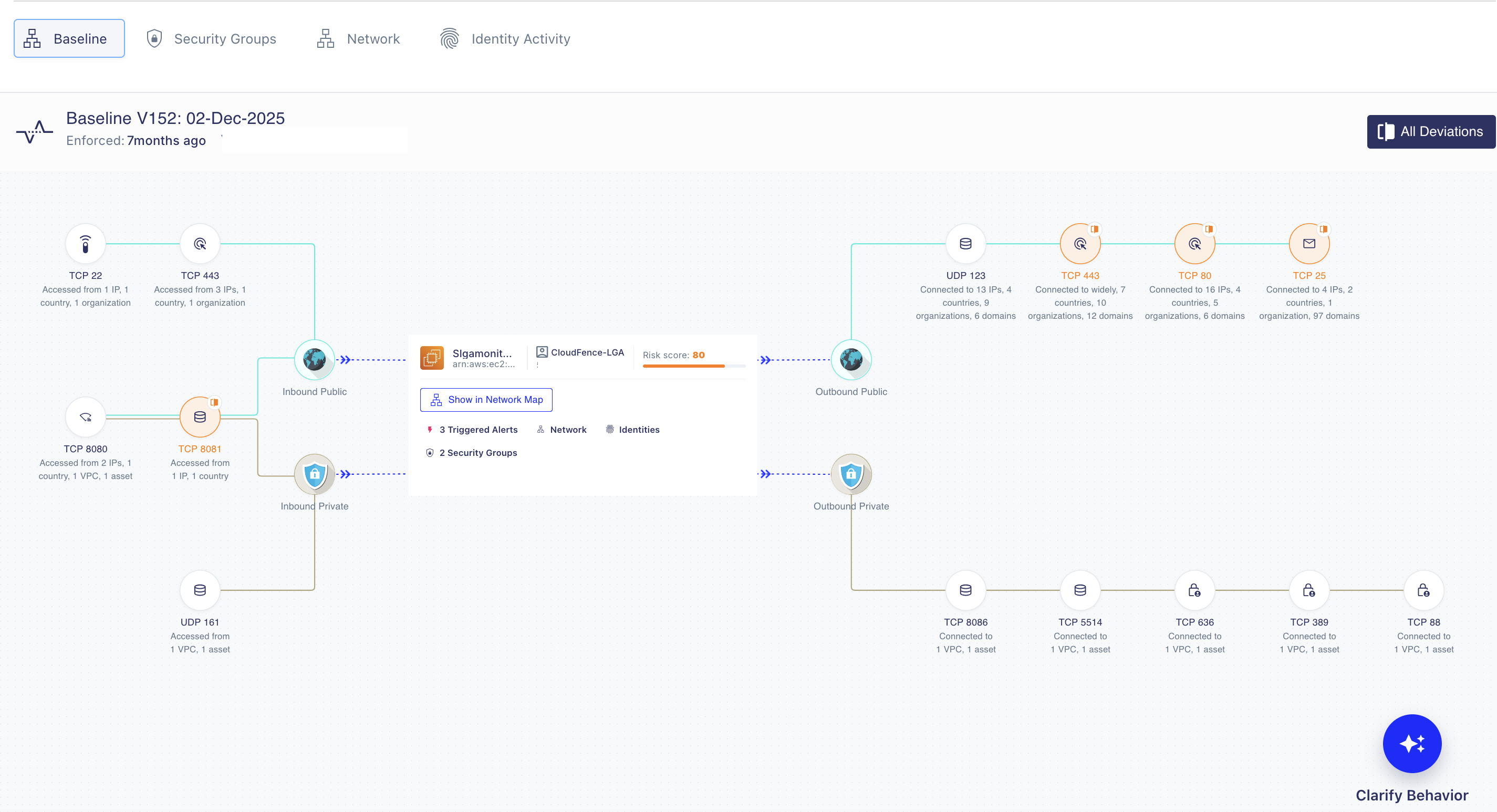
Long before any credentials were used, a runner connected to a domain it had never reached.
A process initiating a periodic beacon on a precise 50-minute interval to infrastructure that had never appeared in the environment's network history.
None of this required knowing the attacker's playbook in advance. It required knowing what normal outbound behavior looked like for that workload — and alerting the moment it changed.
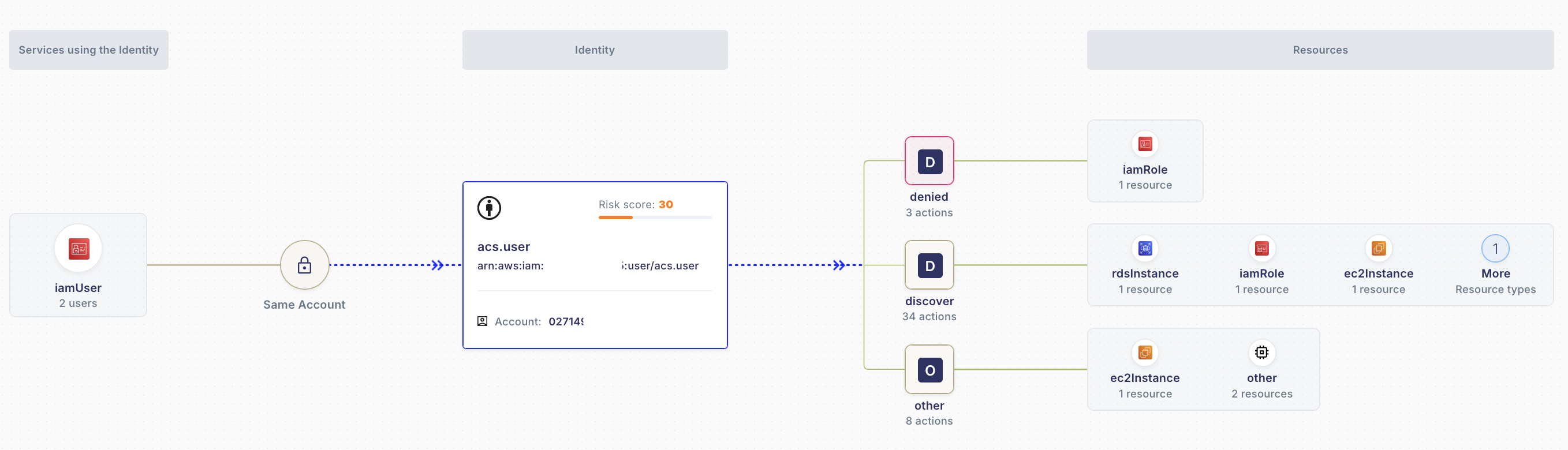
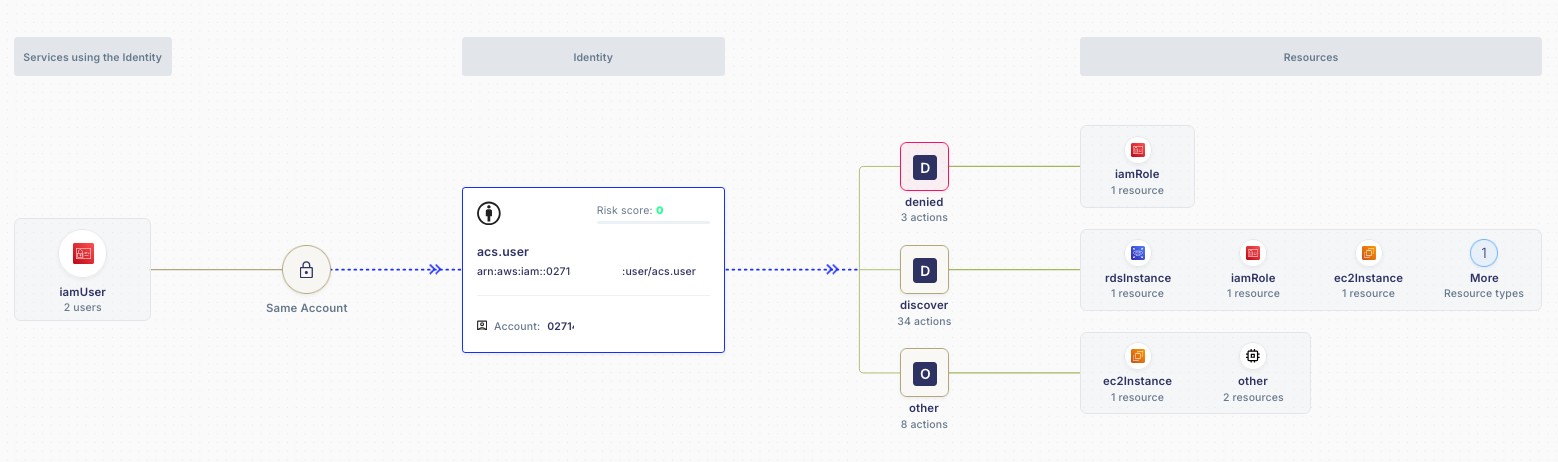
The stolen credentials were used within hours. Before attempting anything destructive, the attacker validated every key using live API calls to confirm which ones were still active. Then came the discovery sweep: IAM enumeration to map users and roles, EC2 to inventory compute, S3 to list every bucket, Secrets Manager to catalog what else could be extracted. Those credentials had never made those API calls before, and they were coming from source IPs that had never been observed before.
None of this required a threat intelligence feed. It required knowing what that identity normally does, and a system that fires when it doesn't.
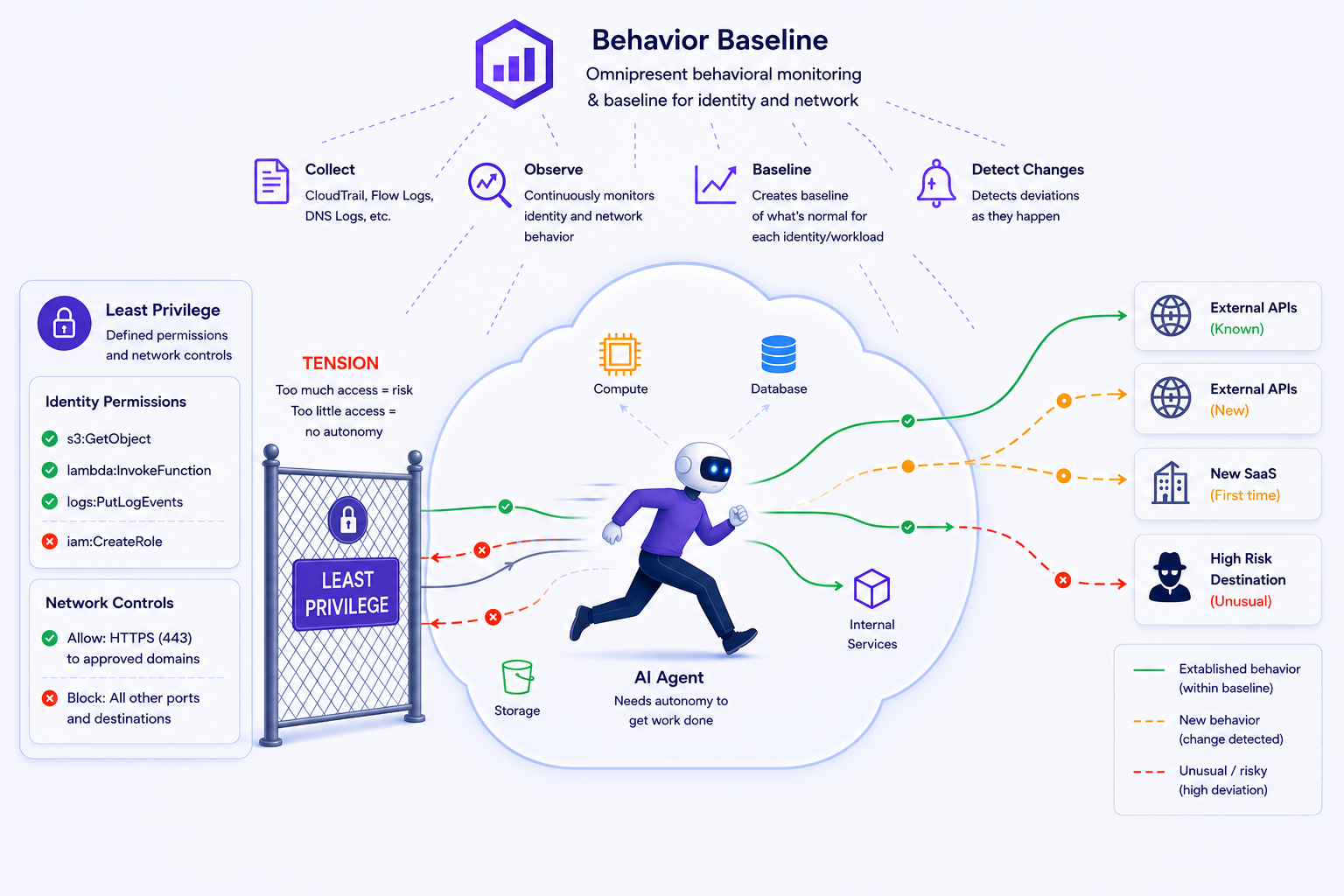
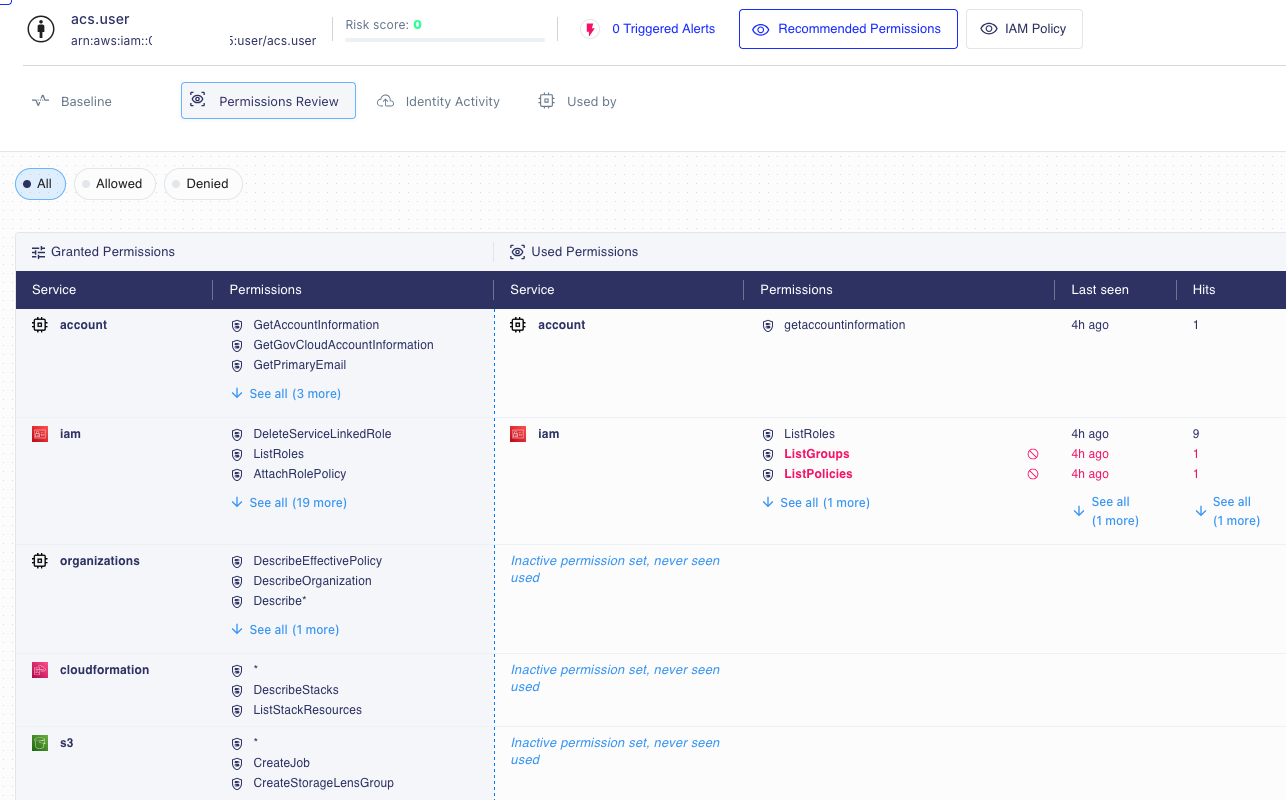
Even when attackers obtain valid cloud credentials, the damage they can do is almost entirely determined by what those credentials were permitted to do in the first place.
In the Trivy attack, CI/CD service accounts in most affected environments held far broader permissions than their actual job required, and that gap is what turned a stolen key into a launchpad for IAM enumeration, S3 bulk access, and Secrets Manager extraction.
Scoping every cloud identity to the minimum permissions it genuinely needs doesn't just reduce blast radius, it makes post-compromise activity detectable by nature, because any action outside that narrow scope is by definition anomalous.
Least privilege isn't just a compliance checkbox. It's what determines whether a stolen key is a crisis or a contained, recoverable incident.
The Trivy attack should put an end to the idea that a tool is safe simply because its job is security. If anything, that's what made it valuable to attack.
But the harder lesson is what comes after....three questions worth asking after Trivy:
CloudFence provides cloud network and identity security for Cloud environments, focused on the three capabilities this attack makes most visible:
Discover how CloudFence's AI-driven engine establishes behavioral baselines, delivers real-time visibility, and detects threats before they escalate—helping your team shift from reactive firefighting to strategic cloud security management.
Discover how CloudFence's AI-driven engine establishes behavioral baselines, delivers real-time visibility, and detects threats before they escalate—helping your team shift from reactive firefighting to strategic cloud security management.

Looking to dive deeper? Check out these handpicked articles related to cloud visibility, threat detection, and workload protection.