Use cases
Resources
Google named the shift we see every day in our customers' clouds when it described its first Gemini Startup Forum: Cybersecurity cohort by saying "This year's cohort reflects the industry's transition from perimeter defense to autonomous AI agent security." CloudFence is very proud to be one of the 33 startups selected.
Discover how our AI-driven, agentless security engine delivers unmatched visibility, detects behavior anomalies, and disarms threats before they escalate. In just 30 minutes, see how CloudFence helps you take full control of your cloud security.


We're excited to share that CloudFence has been selected as one of 33 cybersecurity startups worldwide to join Google's inaugural Gemini Startup Forum: Cybersecurity.
Google described this year's cohort as reflecting "the industry's transition from perimeter defense to autonomous AI agent security." That resonated deeply with us because it captures a shift we've been watching unfold every day across our customers' cloud environments.
Now AI agents and automated workflows run in production alongside applications in the cloud.
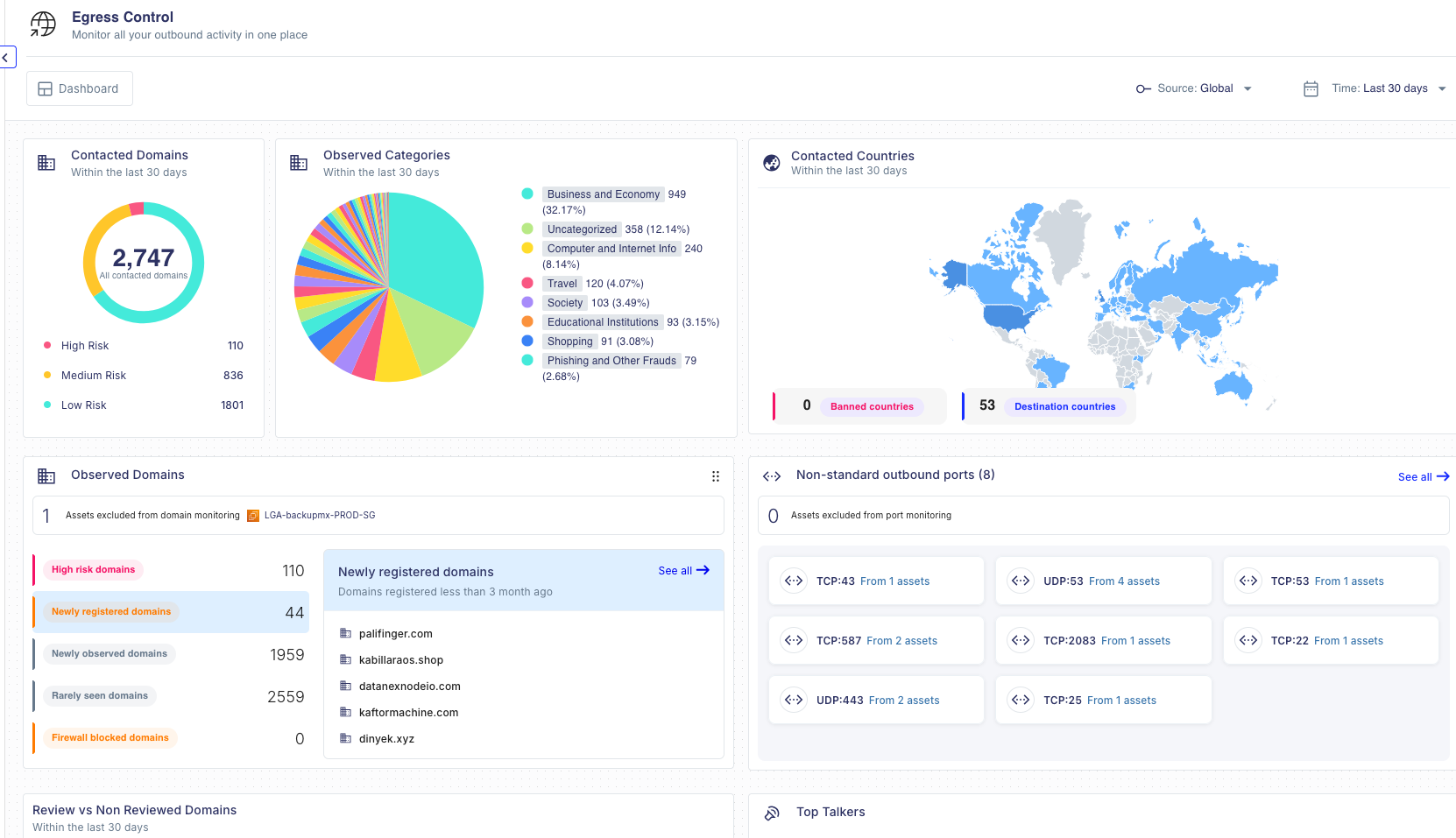
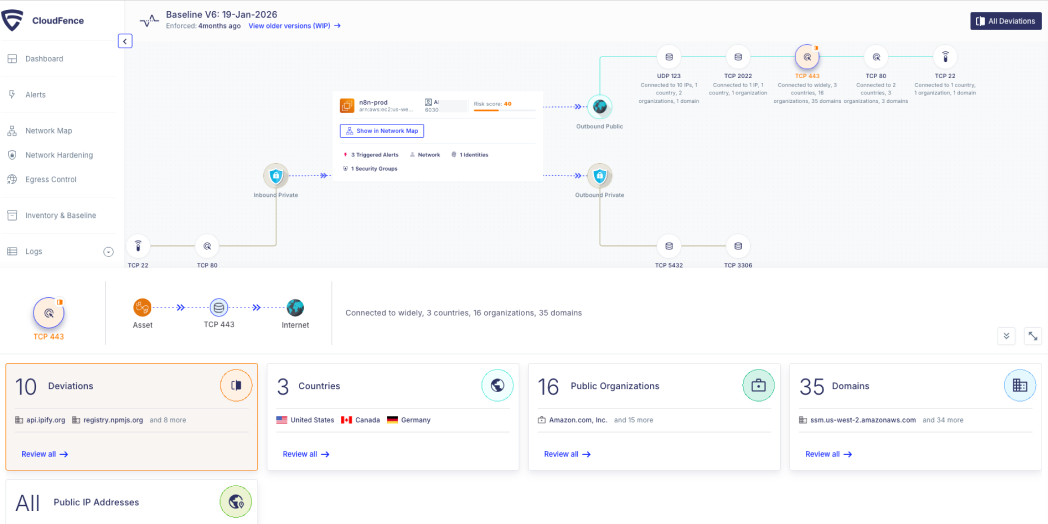
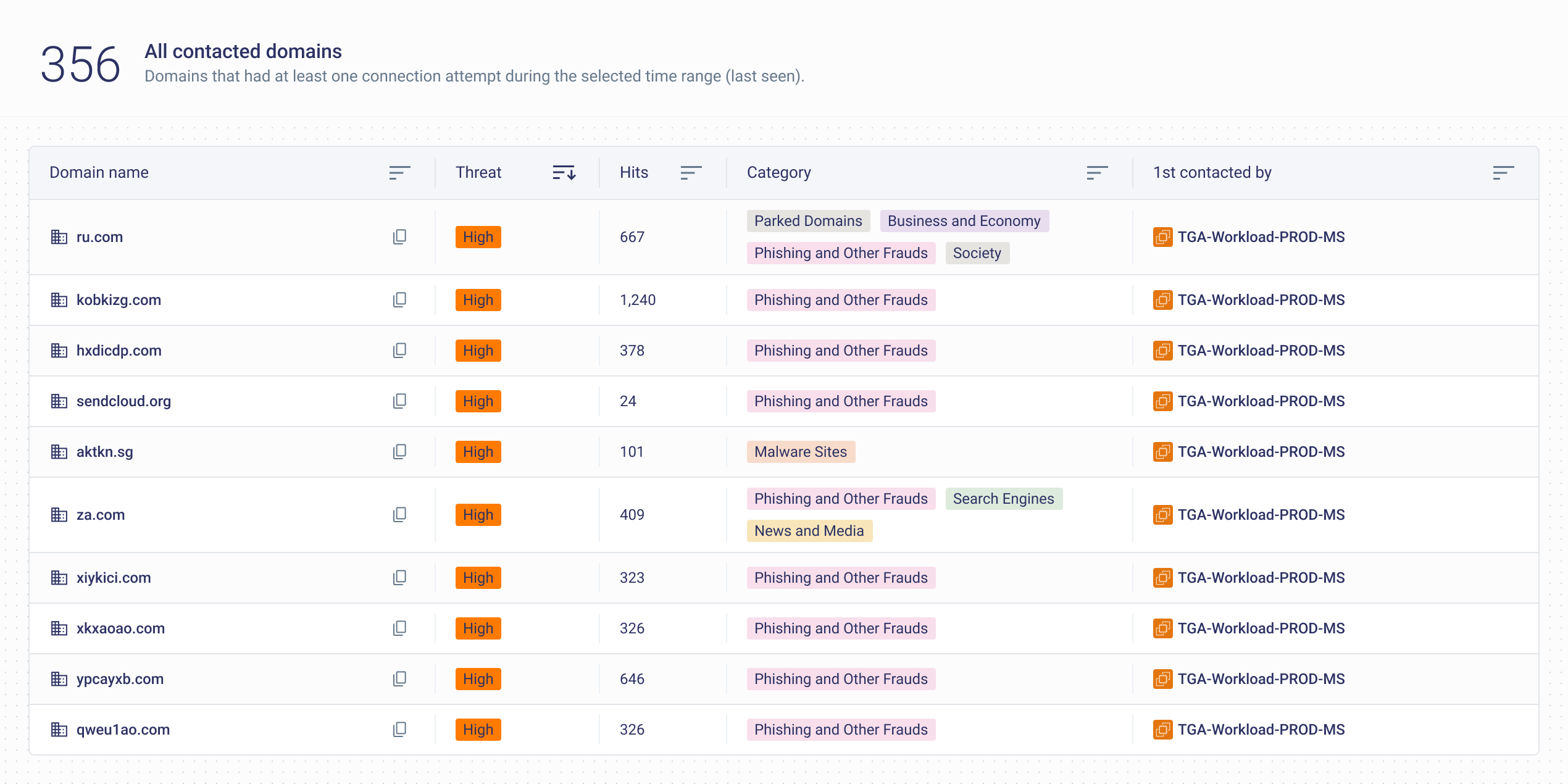
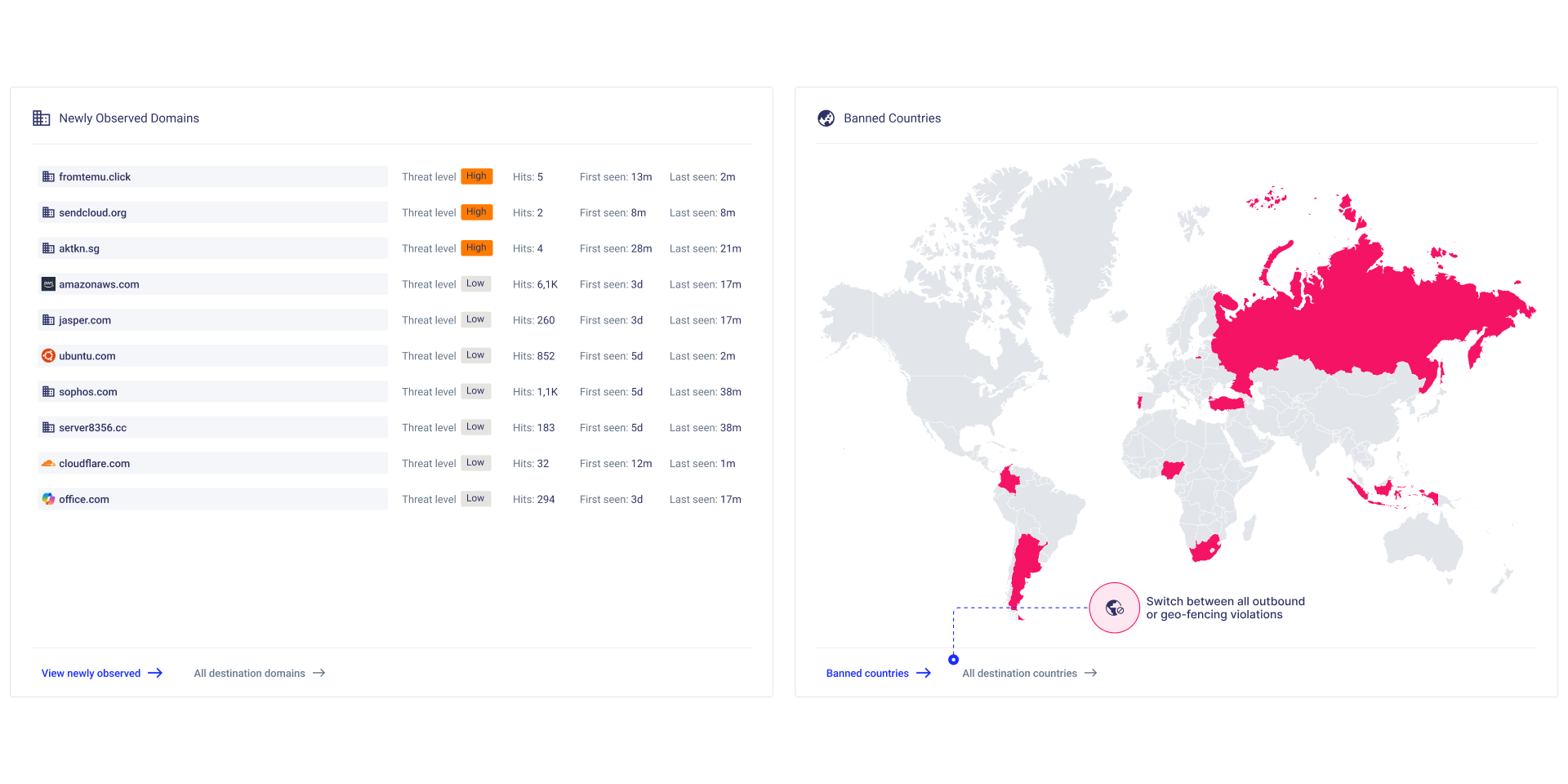
At CloudFence we're seeing the transition unfold every day, and it looks like this: Workloads automating workflows, such as n8n, triggering outbound connections to new destinations never seen before anywhere across the cloud estate.
"Vibe-coding" machines that engineers spin up in dev accounts, reaching GitHub, external GenAI domains,..and internal databases.
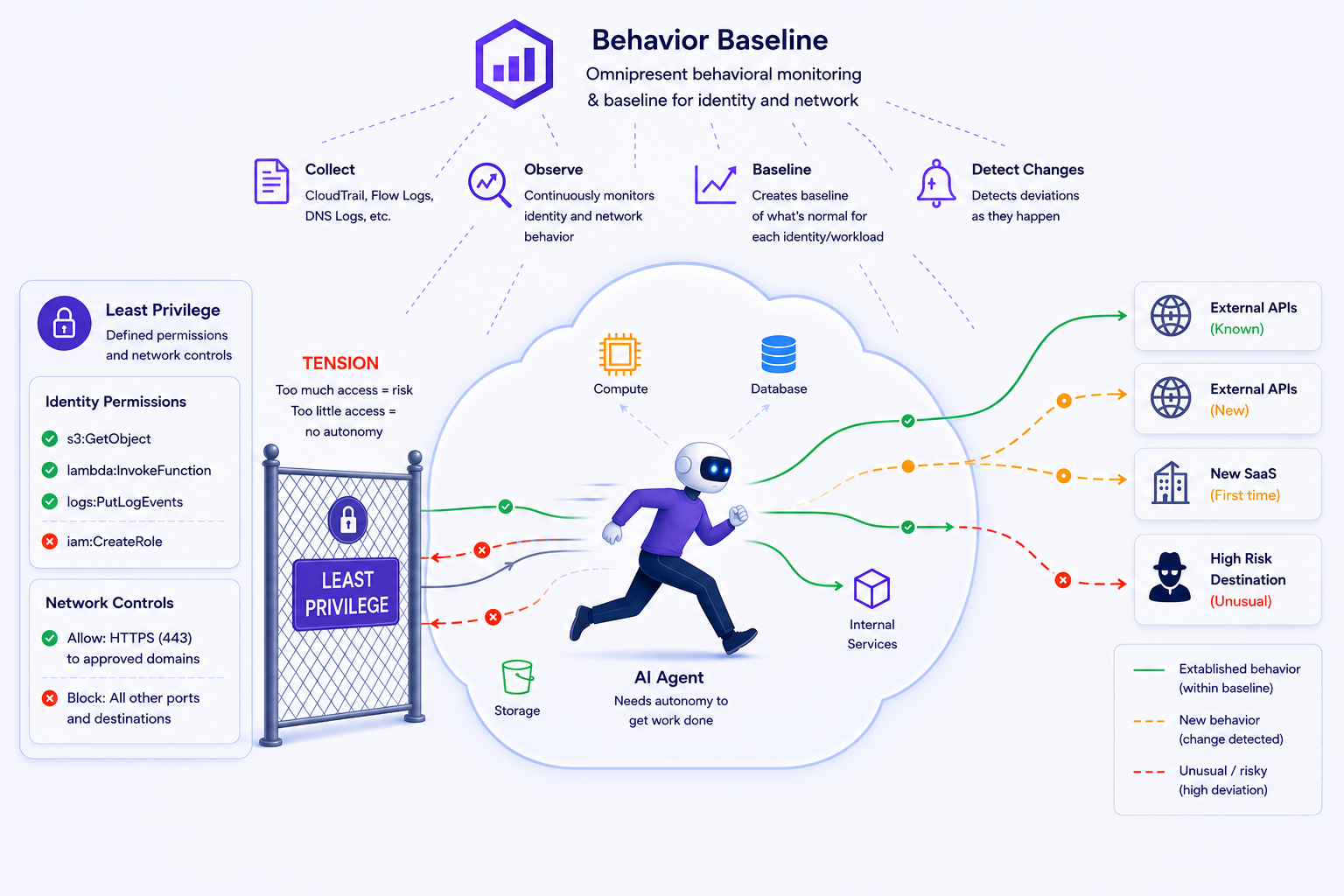
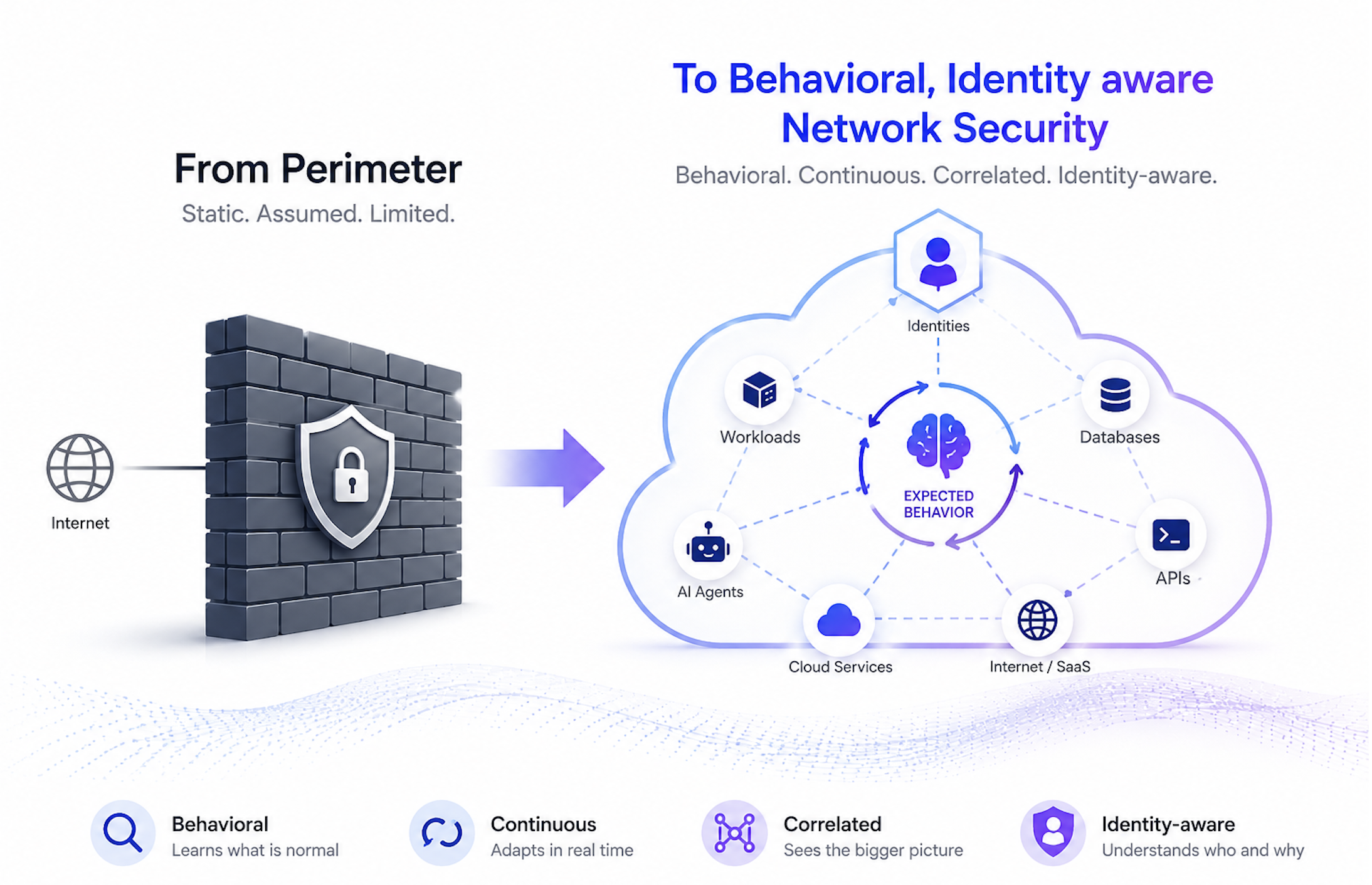
Perimeter security assumes a trusted inside and a network stable enough to write rules against. Cloud already broke that. AI agents remove what was left of the choice: network security has to move past fixed perimeters and become behavioral, continuously learning, correlated across assets, and identity aware.
Network security has to move beyond static rules to
The question is no longer "Is this allowed?" It's "Is this expected?"
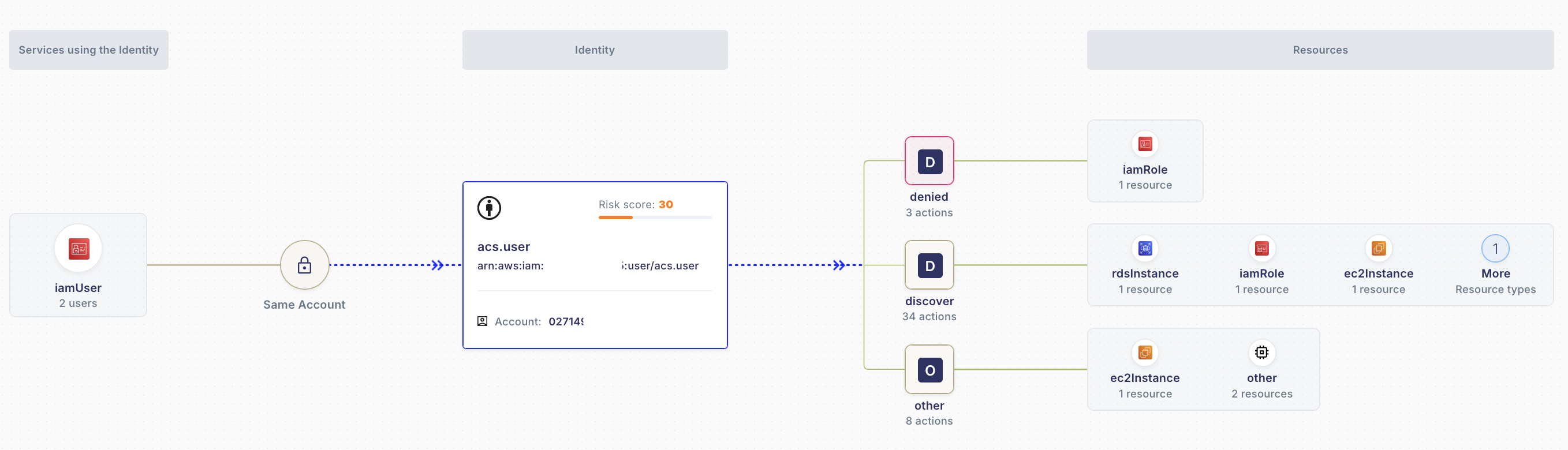
Agents cross both planes: assume an identity, maybe escalate privileges, move on the network.
Network alone sees the movement but not the abuse. Identity alone sees the access but not the consequence. Together, you catch the chain.
An AI agent is a non-human identity generating network behavior, hence network security must be identity-aware, and this is what CloudFence was built for from day one: network security that is behavior-driven and identity-aware, learns continuously, and correlates across the environment.
Identity tells you who acted. Network tells you what happened. Securing AI agents requires security that understands both and can reason whether that behavior is expected.
Attacks now unfold at machine speed, an identity assumed, a connection opened, data moving, in seconds. Defense that detects in seconds but responds in hours has already lost the window.
On top of a continuously learned, correlated baseline, we need to build agents that do the work a swamped analyst can't: correlate signals across the whole estate, explain a deviation in plain language, and drive it toward containment and remediation.
The catch is ground truth: defensive agents can only be trusted when they reason over a precise model of what's normal - and that behavioral baseline is exactly what CloudFence already has. It's what lets our agents act with confidence instead of speculation.
Google built this cohort around the exact shift we've been building for, and put us in the room with specialists from Google DeepMind, Google Cloud, and Wiz to push us further and accelerate the agentic capabilities we're building: agents that correlate signals across the estate, explain a deviation in plain language, and drive containment and remediation, not just raise an alert.
For our customers, that means speed and clarity where it counts: deviations surfaced, explained, and driven toward resolution as they happen. As they roll out their own agents and automation, their network security keeps pace.
The perimeter had a good run. What comes next is behavioral, continuous, correlated, and identity-aware, and increasingly, agentic.
The perimeter didn't disappear because AI arrived. It disappeared because cloud infrastructure became too dynamic for static assumptions. AI agents simply make that impossible to ignore.
The next generation of network security won't be defined by stronger perimeters. It'll be defined by systems that continuously learn behavior, understand identity, and correlate activity across the environment.
Discover how CloudFence's AI-driven engine establishes behavioral baselines, delivers real-time visibility, and detects threats before they escalate—helping your team shift from reactive firefighting to strategic cloud security management.
Discover how CloudFence's AI-driven engine establishes behavioral baselines, delivers real-time visibility, and detects threats before they escalate—helping your team shift from reactive firefighting to strategic cloud security management.

Looking to dive deeper? Check out these handpicked articles related to cloud visibility, threat detection, and workload protection.